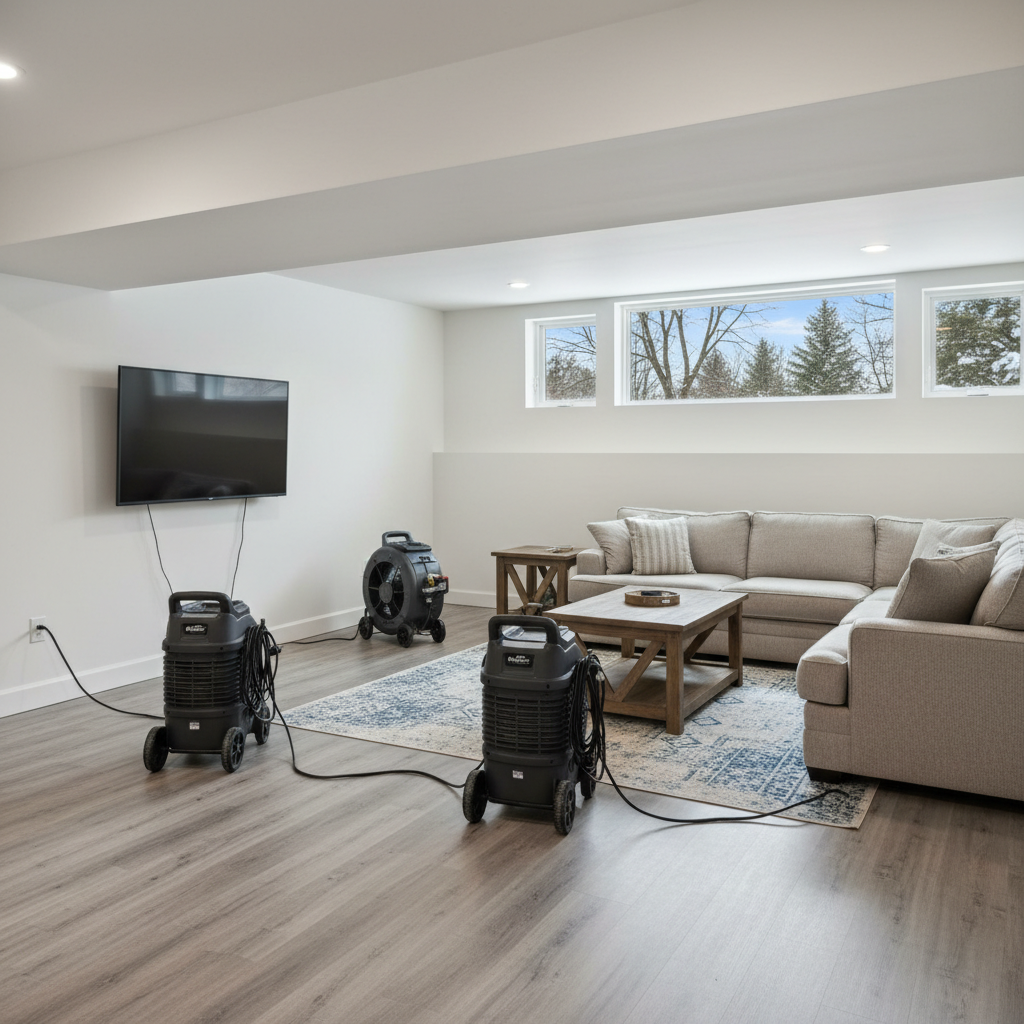
You live in Fitchburg, you know our weather. It’s not just a little rain or snow; it’s the whole gamut, sometimes all in one week. That means water damage isn’t a one-season problem around here. It’s a year-round concern, and knowing when to schedule certain checks or what conditions to watch for can save you a ton of headache and money.
Spring Thaw & Heavy Rains: Prime Time for Trouble
Once those snow piles start shrinking and the ground thaws, that’s when I see a lot of calls come in. All that meltwater has to go somewhere. If your gutters aren’t clean, or your downspouts aren’t extended far enough from your foundation, you’re asking for trouble. We’re talking about saturated soil pushing against your basement walls, or water pooling right up against your house.
You’ve got to get those gutters cleaned out every spring, no excuses. And check your sump pump. Don't wait for the first big downpour to find out it's dead. Give it a test run now. Pour a bucket of water into the pit and make sure it kicks on. If it doesn't, or if it sounds like it's struggling, get it looked at. Trust me, it's cheaper to replace a pump than to dry out a flooded basement.
We also get those intense spring thunderstorms. They dump a lot of water fast. If you’ve got any low spots around your foundation, or if your yard slopes towards your house, you’re vulnerable. Think about grading your yard away from the house, or even installing a French drain if you’re constantly battling standing water.
Summer Storms & Humidity: Not Just About Flooding
Summer in Fitchburg brings its own set of challenges. We get those pop-up thunderstorms that can be incredibly powerful. High winds can damage roofs, leading to leaks you might not even notice until it’s too late. After any severe storm, take a walk around your house. Look for loose shingles, damaged flashing, or anything that looks out of place on your roof.
But summer’s not just about the big storms; it’s also about humidity. High humidity, especially in basements or crawl spaces, is a breeding ground for mold. It doesn't take a flood for mold to start. A persistent dampness is enough. If you've got a musty smell, that's your first clue. Consider a dehumidifier for those areas, and make sure any exhaust fans in bathrooms or kitchens are actually venting outside, not just into an attic or wall cavity.
Fall Leaves & Freezing Pipes: Prepare for Winter
Fall is your last chance to really button things up before winter hits. Those beautiful autumn leaves? They're going to clog your gutters again. Get 'em cleaned out one more time before the first hard freeze. Clogged gutters mean ice dams, and ice dams mean water backing up under your shingles and into your attic or walls. It's a mess.
And then there are the pipes. We get some seriously cold snaps here. If you've got exposed pipes in unheated areas like garages, crawl spaces, or even along exterior walls, they're at risk of freezing and bursting. Disconnect all your outdoor hoses. Drain your exterior faucets. If you're going away for an extended period, keep your thermostat set to at least 55 degrees. It's a small cost compared to a burst pipe and a flooded home.
Winter Thaw & Ice Dams: The Silent Threat
Even in winter, water damage is a concern. We often get those mid-winter thaws, where temperatures climb above freezing for a few days, melting snow on your roof. Then it refreezes when temperatures drop again, forming ice dams. Like I said, those can be nasty. Make sure your attic is properly insulated and ventilated. A well-ventilated attic keeps the roof deck cold, which helps prevent snow from melting unevenly and forming those dams.
And speaking of insulation, if you've got an older home, especially around the Orchard Ridge or Meadowood neighborhoods, you might have less insulation than newer builds. That's something to look into. Proper insulation isn't just about saving on heating bills; it's a key defense against ice dams.
Year-Round Vigilance: Your Best Defense
Look, I've seen it all. From a tiny pinhole leak that went unnoticed for months to a full-blown basement flood from a burst pipe. The best defense is always prevention and early detection. Don't ignore small issues. That little drip under the sink? It can become a big problem. That damp spot on the ceiling? It’s not going to fix itself.
If you do find yourself with water where it shouldn't be, don't panic, but don't wait either. The faster you get the water out and the area dried, the less damage you'll have and the lower your risk of mold. That's where Alpha Restoration comes in. We’re local, we understand Fitchburg weather, and we’re ready to help you get things back to normal, fast. Your home is your biggest investment; let's keep it safe and dry.