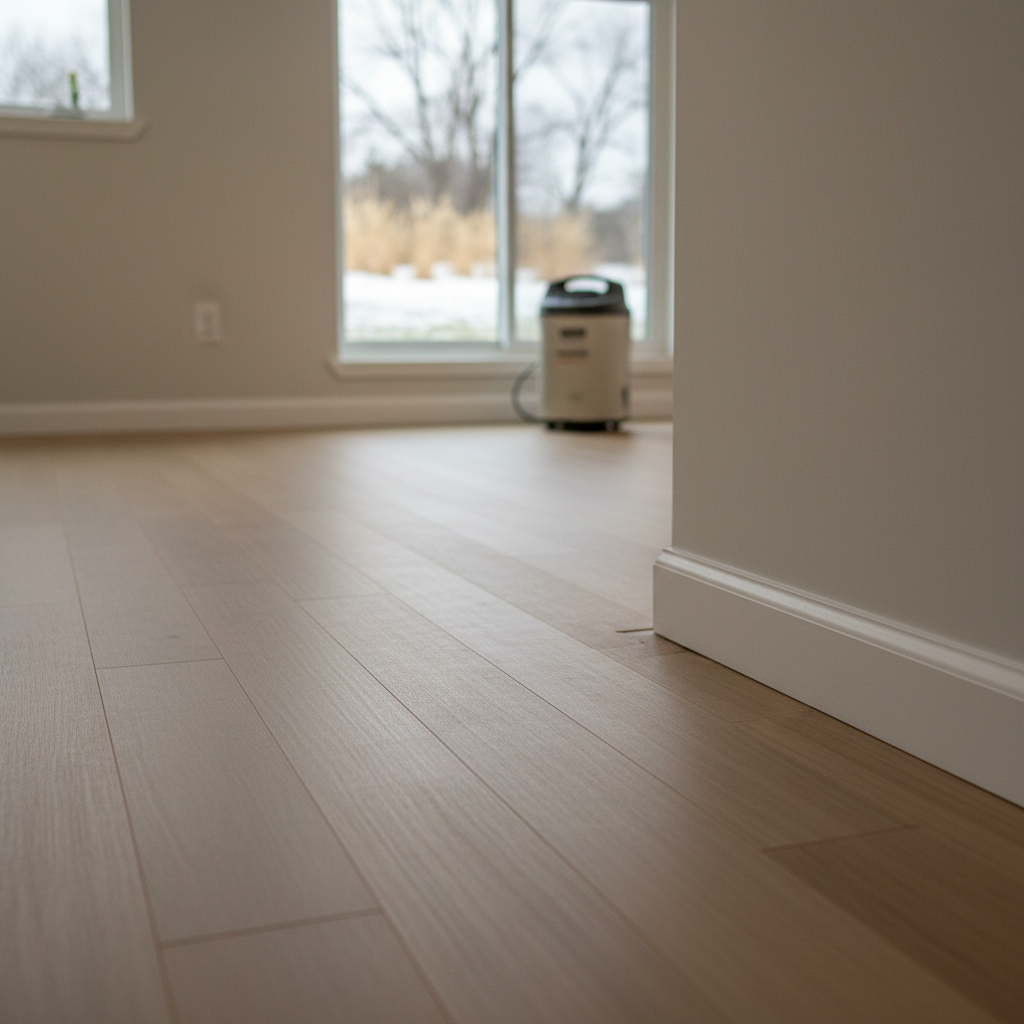
What exactly is structural drying, and why can't I just open windows and run fans?
Structural drying is way more involved than just airing things out. When water gets into your home, it doesn't just sit on the surface, you know? It really soaks into porous stuff like drywall, wood framing, subfloors, insulation, and even concrete. Just opening windows or running a box fan might dry the very top layer, sure, but it leaves all that hidden moisture behind. And that, my friend, is a recipe for mold growth, wood rot, and a whole host of other structural headaches down the road.
What we do with structural drying is use specialized, high-powered equipment. We're talking industrial-grade dehumidifiers, air movers, and sometimes even desiccant dehumidifiers for those really tough, deep drying jobs. This gear creates a controlled environment that actually pulls moisture out of those hidden, saturated materials. We monitor moisture levels constantly with meters to make sure everything is drying evenly and completely. It's a science, not just a guess.
How long does structural drying usually take?
That's the million-dollar question, isn't it? And honestly, there's no single answer. It depends on a bunch of factors: how much water got in, how long it sat there, what materials got wet, and even the humidity outside. If you've got a small, clean water leak that we catch quickly, we might be done in three to five days. But if it's a major flood—like a basement full of water after a big spring thaw, or a pipe burst that soaked everything for days—it could easily take a week, sometimes even two or more.
We use moisture meters to track progress. We don't just guess when it's dry; we measure it. We're looking for moisture levels to return to normal, pre-loss conditions, or at least to a stable, safe level. We'll give you a clearer estimate once we assess your specific situation.
Do I need to leave my home during the drying process?
Most of the time, no, you don't have to pack up and leave. Our equipment is noisy, especially the air movers, and it'll be running 24/7, so it can be a bit disruptive. Some folks find the constant hum annoying, but it's usually tolerable. If the water damage is extensive, though, or if there's a lot of mold already present, or if we're dealing with contaminated water (like sewage), then for your health and safety, we might recommend you stay somewhere else for a few days. We'll talk through all that with you during our initial assessment.
What kind of equipment do you use, and how does it work?
We've got a whole arsenal of gear. The main players are air movers, which are basically super-powerful fans that create high-velocity airflow across wet surfaces. This helps evaporate moisture quickly. Then there are dehumidifiers, which pull that evaporated moisture right out of the air. We use different types depending on the situation: refrigerant dehumidifiers for standard jobs and desiccant dehumidifiers for really cold or deeply saturated areas, like a concrete slab in a basement that's been soaked for a while. We also use moisture meters, thermal imaging cameras, and hygrometers to pinpoint hidden moisture and monitor humidity levels. It's all about creating the right conditions to draw out every last bit of water.
Will structural drying prevent mold?
Absolutely, that's one of its primary goals. Mold needs moisture to grow. If we can get everything thoroughly dry within 24-48 hours of the water intrusion, the chances of mold taking hold drop dramatically. If the water has been there longer, or if there's already some visible mold, then our process will include specific mold remediation steps alongside the drying. But even then, getting everything dry is the critical first step to stopping it in its tracks. We're pretty diligent about it because nobody wants mold in their home, especially not in a place like Fitchburg where basements are common and humidity can be a real issue in the summer.
What about my insurance? Does it cover structural drying?
In most cases, yes, your homeowner's insurance policy covers structural drying, as long as the initial water damage event itself is covered. Things like sudden pipe bursts, appliance malfunctions, or storm damage are usually covered. Flooding from outside, like a river overflowing its banks, typically requires a separate flood insurance policy. We work with all insurance companies, and part of our service at Alpha Restoration is to help you navigate the claims process. We document everything thoroughly with photos, moisture readings, and detailed reports, which makes it easier for your adjuster to understand the scope of work and approve the claim.
Can I save money by doing some of the drying myself?
I get why you'd ask that. Everyone wants to save a buck. For very small, clean water spills that you catch immediately—like a knocked-over glass of water—a few towels and a fan might be enough. But for anything more substantial, trying to DIY structural drying usually ends up costing you more in the long run. You just don't have the commercial-grade equipment or the expertise to ensure everything is truly dry, especially what's hidden behind walls or under floors. Missing even a small wet spot can lead to mold, rot, and much more expensive repairs down the line. It's a bit like trying to fix a broken leg with a band-aid. You might think you're saving money, but you're just setting yourself up for bigger problems.
What happens after everything is dry?
Once we've confirmed that all affected materials are thoroughly dry and back to safe moisture levels, we'll start the cleanup and restoration phase. This might involve removing any materials that were too damaged to salvage, cleaning and sanitizing the affected areas, and then rebuilding. That could mean replacing drywall, flooring, insulation, or even repainting. Our goal at Alpha Restoration is to get your home back to its pre-damage condition, or even better, so you can forget the water damage ever happened.