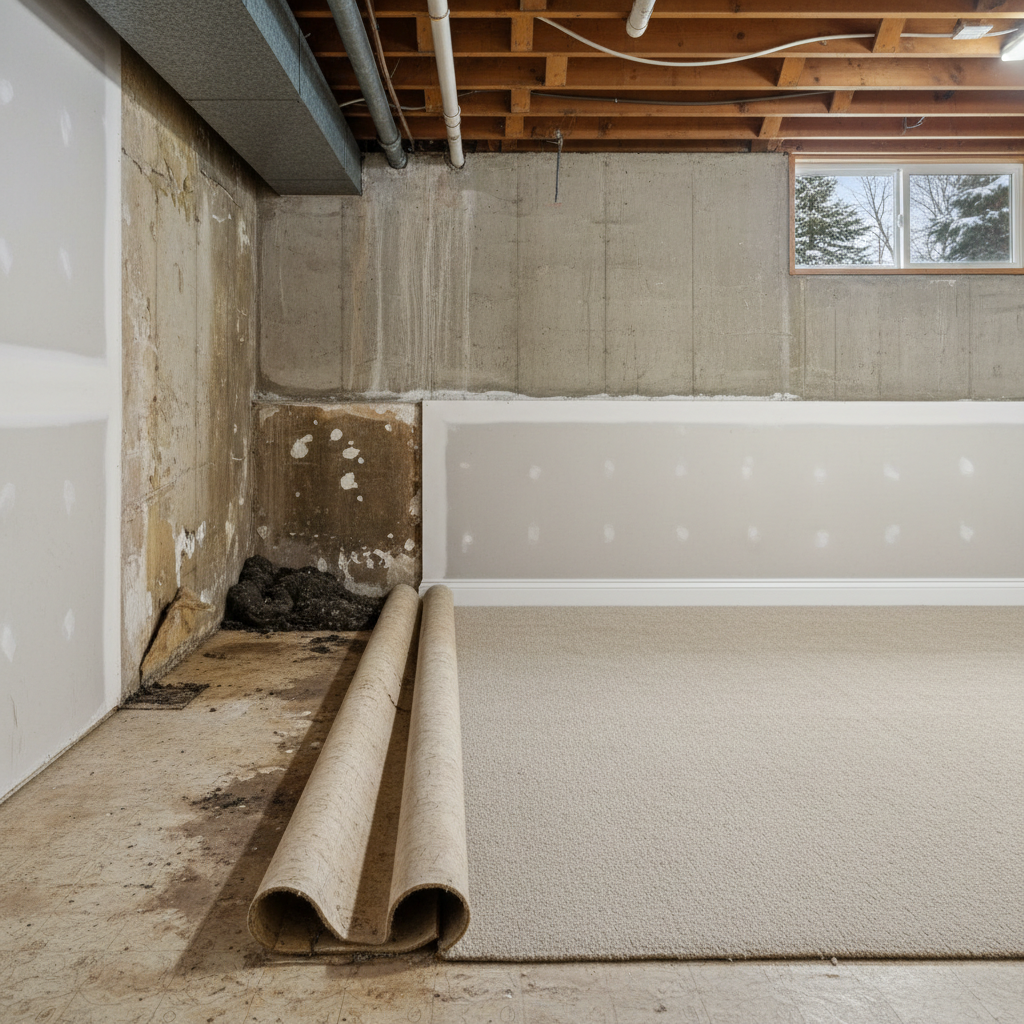
So, you've got water damage. It's a real gut punch, I know. Your first thought is probably, "How do I make this go away?" Well, you've essentially got two main paths you can take here: the "quick fix" route or the "full restoration" route. I've seen homeowners in Fitchburg go both ways, and trust me, there are some big differences in what you end up with.
The 'Quick Fix' Approach: Patching Things Up
This is where you dry out the obvious stuff, maybe cut out a small section of drywall, throw a fan on it, and paint over any stains. You might replace a few warped floorboards, or just try to dry out the carpet and hope for the best. People usually do this because they want to save money upfront or get things back to "normal" as fast as possible. I get it; nobody wants their life turned upside down.
Cost: Yeah, initially, it's cheaper. You're buying a few supplies, maybe renting a fan or dehumidifier for a day or two. You're doing most of the labor yourself, or you're hiring a handyman for a quick patch job. You're definitely not paying for specialized equipment or extensive material replacement.
Durability: This is usually where the "quick fix" falls short. You're not really getting to the root cause or the full extent of the moisture. That means hidden moisture can easily lead to mold growth behind walls, under floors, or in insulation. Materials that look dry on the surface might still be compromised structurally. Over time, you'll likely see more issues pop up: paint peeling, floors buckling again, or that tell-tale musty smell.
Maintenance: You'll probably be doing more maintenance down the road. You'll be constantly checking for new stains, odors, or structural changes. It's like putting a band-aid on a deeper wound; it might hold for a bit, but it's not healing anything, is it?
Appearance: For a while, it might look okay. A fresh coat of paint can hide a lot. But as those hidden issues develop, you'll start seeing the signs. Discoloration, uneven surfaces, or a lingering damp smell that just won't quit. It's rarely a truly long-term fix.
The 'Full Restoration' Approach: Doing It Right
This is what we do at Alpha Restoration. It starts with a thorough assessment of the water damage. We use specialized moisture meters to find all affected areas, even those you can't see. Then, we extract all standing water, set up professional-grade drying equipment, and remove any materials that are too far gone – stuff like wet insulation, compromised drywall, or subflooring. After that, we clean, sanitize, and rebuild with new, appropriate materials. It's a more involved process, sure, but it's about getting your home back to its pre-damage condition, or even better.
Cost: This generally has a higher upfront cost. You're paying for professional expertise, specialized equipment, and often more extensive material replacement. However, it's an investment that typically saves you money in the long run by preventing future problems and costly secondary damage like mold remediation.
Durability: This is where full restoration really shines. By properly drying, sanitizing, and rebuilding, you're making sure your home's structural integrity is solid. You're eliminating the conditions for mold growth and preventing materials from deteriorating further. When we deal with water damage in older homes around the Capitol View neighborhood, where basements can be prone to dampness, a full restoration is often the only way to truly solve the problem for good.
Maintenance: Once the restoration is complete, your maintenance should return to normal. You won't be constantly worrying about hidden moisture or recurring issues. The problem is solved, not just covered up.
Appearance: A full restoration aims to return your home to its original condition, or even improve it. New drywall, fresh paint, and properly installed flooring mean your home will look and feel like the water damage never happened. There won't be lingering stains or smells.
My Recommendation for Fitchburg Homeowners
Look, I'm not going to sugarcoat it. Water damage is serious. Given our Wisconsin weather – those heavy spring rains, the snowmelt, or even a burst pipe in a deep freeze – water finds its way into everything. The soil around Fitchburg homes, especially the clay-heavy stuff, can hold moisture, making proper drying even more critical.
For any significant water damage, whether it's a flooded basement or a persistent leak, I always recommend the full restoration approach. The "quick fix" is almost always a temporary solution that leads to bigger, more expensive problems down the road. You might save a few bucks today, but you'll likely pay double or triple later when you're dealing with mold remediation or structural repairs that could have been avoided.
Your home is one of your biggest investments. Don't cut corners when it comes to protecting it from water damage. Do it right the first time, and you'll know your home is safe, dry, and healthy for years to come.